
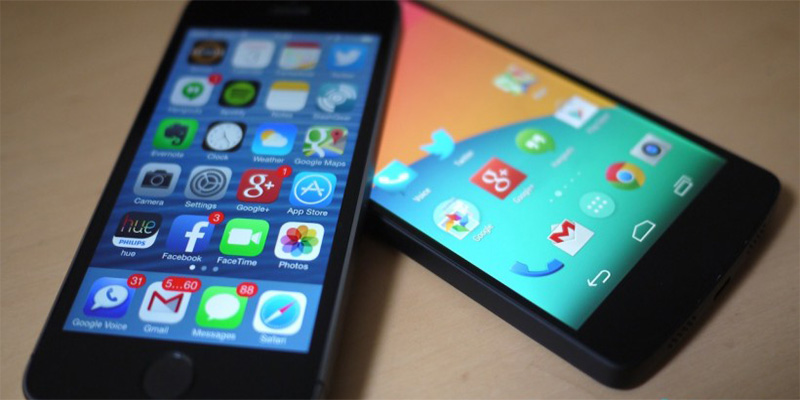
Have you ever wondered why many mobile apps launch on the iPhone before becoming available on Android? Although Android powers a large number of smartphones worldwide, many developers choose Apple's iOS platform as their starting point.
There are several reasons behind this strategy, including development costs, device compatibility, monetization opportunities, and the ability to test an app before expanding to a larger audience.
1. A More Consistent Development Environment
One major reason developers choose iOS first is the relatively controlled Apple ecosystem.
Apple manufactures the iPhone and controls its operating system, giving developers a more consistent environment for designing, testing, and optimizing their applications.
Android, on the other hand, runs on devices manufactured by many different companies. Screen sizes, hardware capabilities, operating system versions, and manufacturer-specific features can vary significantly.
By starting with iOS, development teams can focus their initial testing efforts on a narrower range of devices.
2. Monetization and Revenue Opportunities
Developers often consider revenue potential when choosing which platform to launch first.
Depending on the app category, audience, pricing model, and target market, iOS users may provide attractive opportunities for paid downloads, subscriptions, and in-app purchases.
Apple also offers established payment and subscription infrastructure through its App Store ecosystem.
However, revenue is not guaranteed to be higher on iOS. Developers must evaluate their target audience, customer acquisition costs, and business model before choosing a platform.
3. Easier Testing and Quality Control
Launching an app requires extensive testing to identify bugs, performance issues, and usability problems.
Starting with one platform allows developers to concentrate on improving the user experience before expanding to another operating system.
Developers can gather feedback, fix technical problems, and improve important features before investing additional resources in a second version.
This approach can be particularly useful for startups and small development teams working with limited budgets.
4. Apple's Development Tools
Apple provides development tools such as Xcode, along with programming languages including Swift.
These tools support interface design, debugging, automated testing, and app performance analysis.
A well-organized development environment can help teams build, test, and maintain applications more efficiently.
Android also provides mature development tools, including Android Studio and Kotlin. Therefore, the best choice depends on the team's experience, project requirements, and intended audience.
5. Launching on iOS Can Help Validate an Idea
For a new business or startup, launching an app is only the beginning.
Developers need to understand how people use their products, which features are most valuable, and what improvements will encourage users to return.
An initial iOS release can help a company validate its concept, collect user feedback, and identify problems before expanding its development efforts.
This strategy works best when the company's target customers are well represented among iPhone users.
6. Why Android Still Matters
Although some apps launch on iPhone first, Android remains an important platform for reaching a broad international audience.
Android's diverse device ecosystem can introduce additional testing and support requirements, but it also provides access to customers across different markets and price ranges.
For many businesses, launching on both platforms is essential to maximizing accessibility and long-term growth.
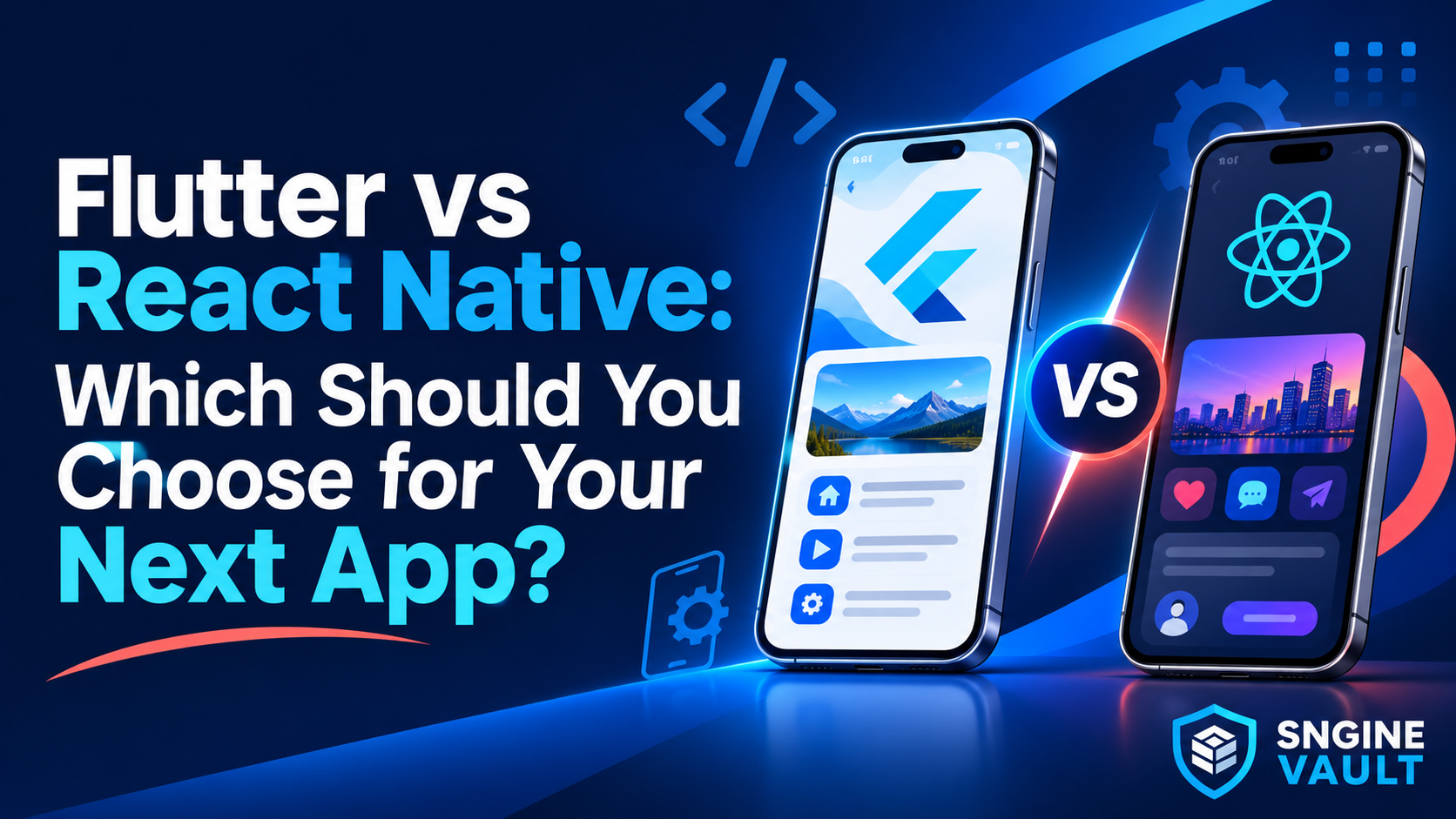
Cross-platform development technologies, including Flutter and React Native, may also help teams share portions of their codebase across iOS and Android.
7. Should Developers Launch on iPhone or Android First?
The answer depends on the product and its intended users.
Developers should consider the following factors before making a decision:
-
Target audience: Determine which devices your potential customers use.
-
Development budget: Estimate the costs of building, testing, and maintaining each version.
-
Revenue model: Evaluate subscriptions, advertising, paid downloads, and in-app purchases.
-
Technical requirements: Consider device features, performance, security, and integrations.
-
Growth strategy: Decide whether to launch on one platform first or release on both simultaneously.
There is no universal rule that iPhone should always come first. The best strategy is the one that balances development resources with customer demand.
Conclusion
Apps are often released on iPhone first because developers may find it practical to begin with a more consistent device ecosystem, concentrate testing efforts, evaluate monetization opportunities, and refine their products before expanding.
However, Android should not be overlooked. Reaching users on both platforms can create additional opportunities for engagement, revenue, and business growth.
For startups and established companies alike, the most effective app launch strategy begins with understanding the audience, building a reliable product, and planning for long-term expansion.
The bottom line: Choose your launch platform based on your customers and business goals—not simply because other developers launch on iPhone first.